Does Bankruptcy Stop Wage Garnishment?

How This Article Was Reviewed▾
How We Review This Educational Content▾
Why You Can Trust This Page▾
If money is being taken from your paycheck because of a debt, you may be wondering whether bankruptcy can stop that garnishment. In many cases, bankruptcy may stop wage garnishments through a legal protection called the automatic stay. This protection begins when a bankruptcy case is filed and often requires many creditors to stop collection activity, including many wage garnishments.
But not every withholding order is treated the same way. The answer often depends on the type of debt and the kind of withholding involved. Some obligations, such as child support and other domestic support obligations, are treated differently under bankruptcy law.
This page gives the broad answer to whether bankruptcy may stop wage garnishment. Timing questions and chapter-specific questions are separate, so we cover those in more detail on related pages.
Bankruptcy and Wage Garnishment — At a Glance
Bankruptcy may stop many garnishments through the automatic stay. Not every withholding order is treated the same way, and the answer can depend on the type of debt involved.
- Filing bankruptcy generally triggers the automatic stay, which pauses many collection actions, including many wage garnishments.
- This protection begins when a bankruptcy case is filed.
- Some garnishments could continue, such as child support obligations, despite a bankruptcy filing because bankruptcy law treats some support obligations differently.
- Chapter choice and payroll timing can matter, but those are separate questions. See our guide on how fast bankruptcy stops garnishment and can chapter 7 can stop wage garnishment or can chapter 13 can stop wage garnishment.
Because wage garnishment rules and bankruptcy outcomes depend on the type of debt involved and the details of a case, people might want to review their financial situation carefully before deciding whether bankruptcy may be an appropriate option.
How Bankruptcy Stops Wage Garnishment
The automatic stay can stop many wage garnishments. The automatic stay generally takes effect as soon as a bankruptcy case is filed and requires many creditors to pause collection activity while the case is pending.
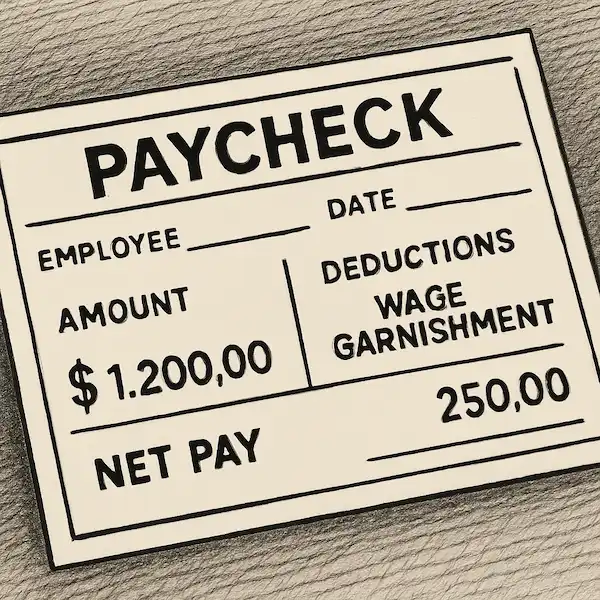
For people experiencing wage garnishment, this often means that deductions related to unsecured debts—such as credit card balances, medical bills, or personal loans—may be required to stop once the bankruptcy filing is in place.
Timing After Filing Can Be a Separate Question
In many cases, the automatic stay begins as soon as a bankruptcy case is filed, but that does not always mean a wage deduction disappears from the very next paycheck. Payroll timing, notice to the creditor, and where the paycheck was in the processing cycle can all affect what happens next.
For a fuller explanation of how quickly bankruptcy may stop wage garnishment, payroll delays, and why one more deduction may still appear, see our page on how fast bankruptcy may stop wage garnishment.
Wage Garnishment Guides
Start with the question that best matches your situation.
Get a broader overview of what wage garnishment is, how it starts, and how it works.
Read more about timing after filing and payroll processing delays.
Find out if chapter 7 can stop wage garnishment and what debts it may affect.
Find out if chapter 13 can stop wage garnishment and how the repayment plan may affect collection.
Which Wage Garnishments Bankruptcy May Not Stop?
Not every paycheck deduction is treated the same way. Some debts follow different bankruptcy rules, which is why the answer often depends on both the type of debt and whether the case is filed under chapter 7 or chapter 13.
Key Point
Domestic support obligations, such as child support and alimony, are often treated differently from ordinary consumer debts in bankruptcy.
Domestic Support Obligations
Wage withholding for domestic support obligations is not treated the same way as a typical consumer-debt garnishment. Bankruptcy law includes exceptions to the automatic stay for certain support-related collection activity, including many income withholding orders for child support or alimony.
Bankruptcy does not treat every kind of withholding the same way, and support obligations are one of the most important examples. Chapter 7 and chapter 13 can also handle debts differently, which is why chapter-specific analysis often matters.
For a closer look, see how chapter 7 can stop garnishment and how chapter 13 can stop garnishment.
Some Government Collection Programs
Some government debts may also follow different collection rules. For example, certain tax debts and some student loan collections are not handled the same way as ordinary creditor lawsuits.
Bankruptcy may still affect how these debts are handled, but the result can depend on the type of debt, the stage of collection, and the chapter filed. That is why it is important to identify the exact reason money is being withheld before assuming bankruptcy will stop it.
Debts That May Receive Different Treatment in Bankruptcy
Another important question is whether the debt itself may be discharged. Sometimes collection activity changes during a bankruptcy case, but the debt may still survive the case.
- Domestic support obligations such as child support and alimony
- Certain tax debts
- Many student loan obligations
- Some debts involving fraud, if a court determines they are non-dischargeable
Why This Matters
If your paycheck is being reduced, the most helpful first step is often to identify the type of debt behind the withholding. That usually tells you more than the word “garnishment” alone about whether bankruptcy may stop it, change how it is paid, or leave the withholding in place. For a broader overview of garnishment in general, see our general wage garnishment overview.
Types of Bankruptcy
Learn how chapter 7 and chapter 13 work and how each may address different types of debt.



What If Wages Are Still Being Garnished After Filing?
If a deduction continues after a bankruptcy filing, payroll timing and notice may be the reason. Employers and creditors often need notice before payroll instructions change.
For a fuller walkthrough of what to check next, including payroll timing and follow-up steps, see how fast bankruptcy may stop wage garnishment.
Can You Recover Wages Garnished Before Filing Bankruptcy?
In some situations, wages garnished shortly before a bankruptcy filing may be reviewed under bankruptcy law. Whether any recovery is possible can depend on the timing, the amount taken, and how the transfer was handled before the case was filed.
Because this is a separate and highly fact-specific issue, this page does not cover it in detail. The main question here is whether bankruptcy may stop an ongoing wage garnishment.
Key Takeaways About Bankruptcy and Wage Garnishment
Wage garnishment can significantly reduce take-home pay, which is why many people begin researching bankruptcy when a creditor starts taking money directly from their paycheck. Understanding how bankruptcy interacts with garnishment can help you evaluate whether it may be one option to address the situation.
The key points to remember include:
- Filing bankruptcy usually triggers the automatic stay, which may stop many wage garnishments.
- Some income withholding—such as child support obligations—generally continues despite a bankruptcy filing.
- The type of bankruptcy filed, such as chapter 7 or chapter 13, can affect how debts are handled and how long protections may last.
- Payroll timing may cause one additional deduction if a paycheck was already being processed when the case was filed.
- In some situations, wages garnished shortly before filing bankruptcy may be reviewed under federal bankruptcy law.
Because the impact of bankruptcy can depend on the type of debt involved, the timing of a garnishment order, and individual financial circumstances, many people review their options carefully before deciding how to address a wage garnishment.
Understanding these rules can make it easier to evaluate whether bankruptcy—or another approach—may help resolve a garnishment and address the underlying debt.
Frequently Asked Questions About Bankruptcy and Wage Garnishment
Will Bankruptcy Stop My Wage Garnishment Right Away?
In many cases, the automatic stay begins when a bankruptcy case is filed, but the paycheck result may not appear immediately.
Do Any Garnishments Continue After Filing Bankruptcy?
Some types of income withholding may continue despite a bankruptcy filing. For example, wage withholding related to domestic support obligations—such as child support or alimony—generally continues because federal bankruptcy law treats these obligations differently from most consumer debts.
Other types of government-related collections may follow different rules depending on the circumstances.
Can I Get Back Wages That Were Garnished Before Filing Bankruptcy?
In certain situations, wages garnished shortly before a bankruptcy filing may be reviewed under federal bankruptcy law. Whether those funds can be recovered depends on factors such as timing, the amount involved, and how the payment was processed before the case was filed.
Because these issues can depend on detailed legal and factual circumstances, the outcome can vary from case to case.
Should I File Chapter 7 Or Chapter 13 To Stop A Garnishment?
Both chapter 7 and chapter 13 bankruptcy generally trigger the automatic stay, which may stop many wage garnishments once the case is filed. The main difference is how the underlying debts are handled.
Chapter 7 focuses on eliminating many unsecured debts, while chapter 13 uses a court-approved repayment plan that typically lasts three to five years. The most appropriate option can depend on income, the type of debt involved, and other financial factors.
How Long Does Garnishment Relief Last After Filing Bankruptcy?
The automatic stay usually remains in place while a bankruptcy case is active. In chapter 7 cases, the stay typically lasts until the court enters a discharge order or the case closes, although creditors may sometimes ask the court for permission to resume collection activity.
In chapter 13 cases, the stay may remain in place throughout the repayment plan as long as the case remains active and plan requirements are met.
What Should I Do If My Wages Are Still Being Garnished After Filing?
If a garnishment continues after a bankruptcy case is filed, it may be helpful to confirm that both the creditor and the employer’s payroll department have received notice of the bankruptcy filing. Reviewing pay stubs and keeping records of deductions can also help identify whether the payroll system has updated the garnishment order.
Because the timing of payroll processing and creditor notice can affect how quickly a garnishment stops, additional follow-up may sometimes be needed during the early stages of a bankruptcy case.
Explore More National Bankruptcy Guides
Explore Bankruptcy Help by State
Browse our state guides to learn exemptions, means test rules, costs, and local procedures. Use these links to jump between states and compare your options.
- Arizona
- California
- Colorado
- Florida
- Georgia
- Illinois
- Indiana
- Maryland
- Michigan
- Nevada
- New York
- North Carolina
- Ohio
- Oregon
- Pennsylvania
- Tennessee
- Texas
- Virginia
- Wisconsin